Hospital wayfinding helps both patients and other users understand the space clearly. As a result, routes can be completed autonomously and effortlessly, from the moment they arrive at the hospital environment until they leave. Continue reading to discover what it is, how it impacts the patient experience, and explore some examples of wayfinding in hospitals and healthcare centres.
What is hospital wayfinding?
Hospital wayfinding is the set of strategies, techniques and systems that help both patients and other users understand the space clearly. As a result, routes can be completed autonomously and effortlessly, from the moment they arrive at the hospital environment until they leave.
In hospital architecture, healthcare complexes bring together multiple large-scale buildings with different access points, floors, routes and services operating simultaneously. Wayfinding or spatial orientation prevents patients from getting lost, reduces interruptions for healthcare staff and avoids overcrowding, significantly reducing stress, frustration and the total time spent in the hospital.
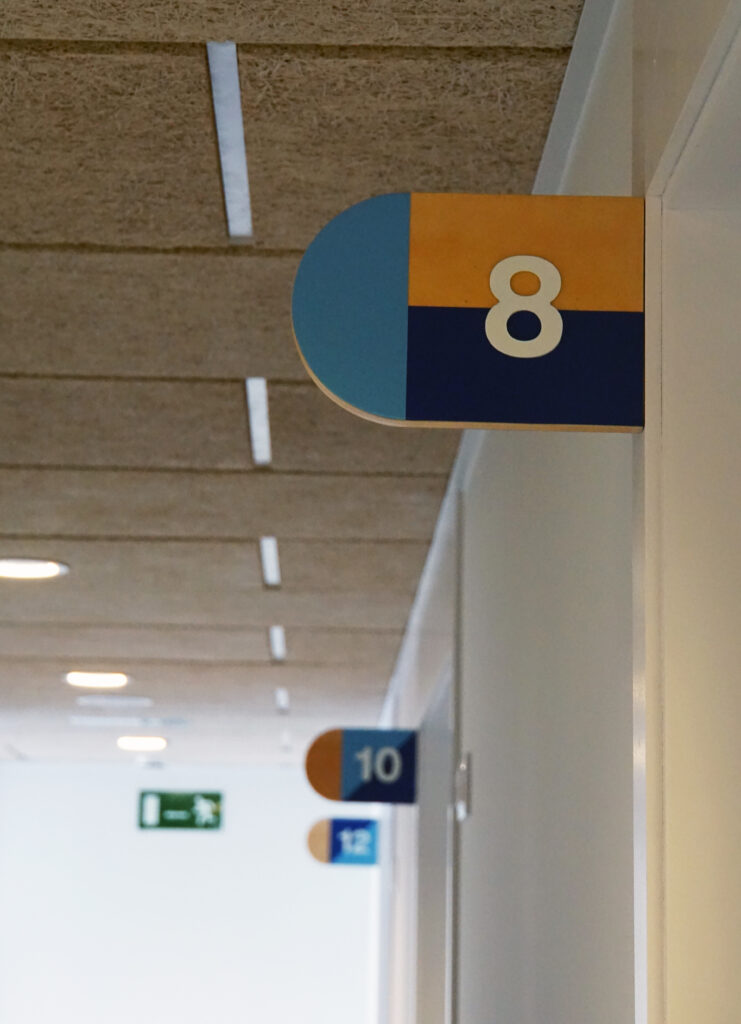
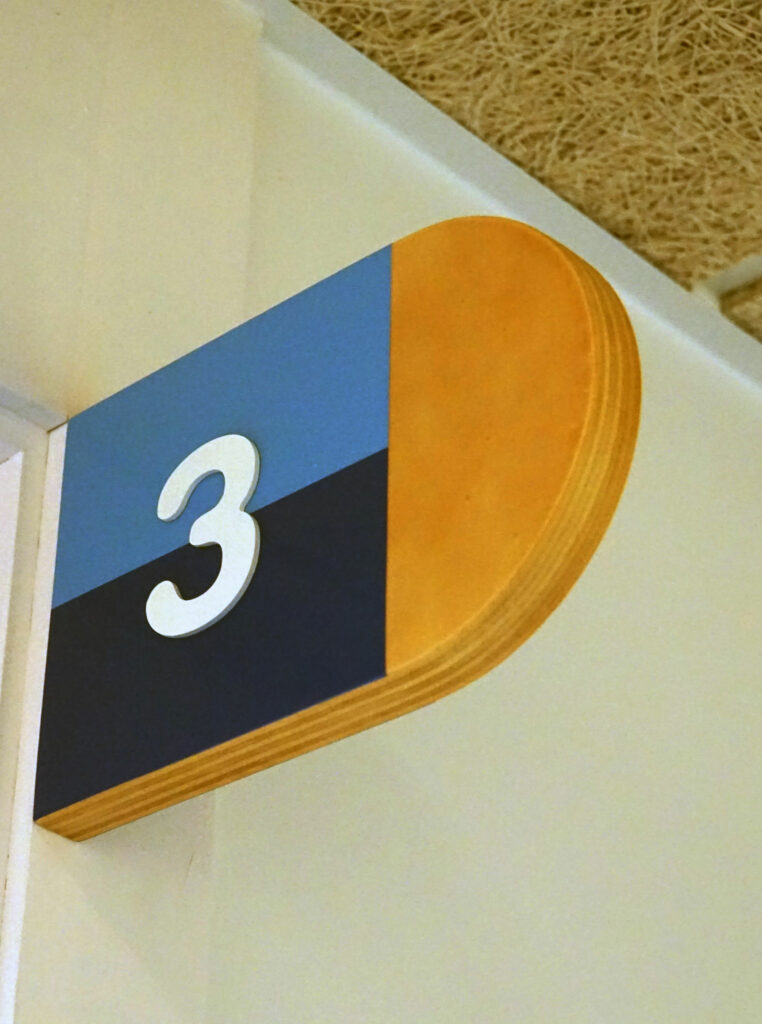
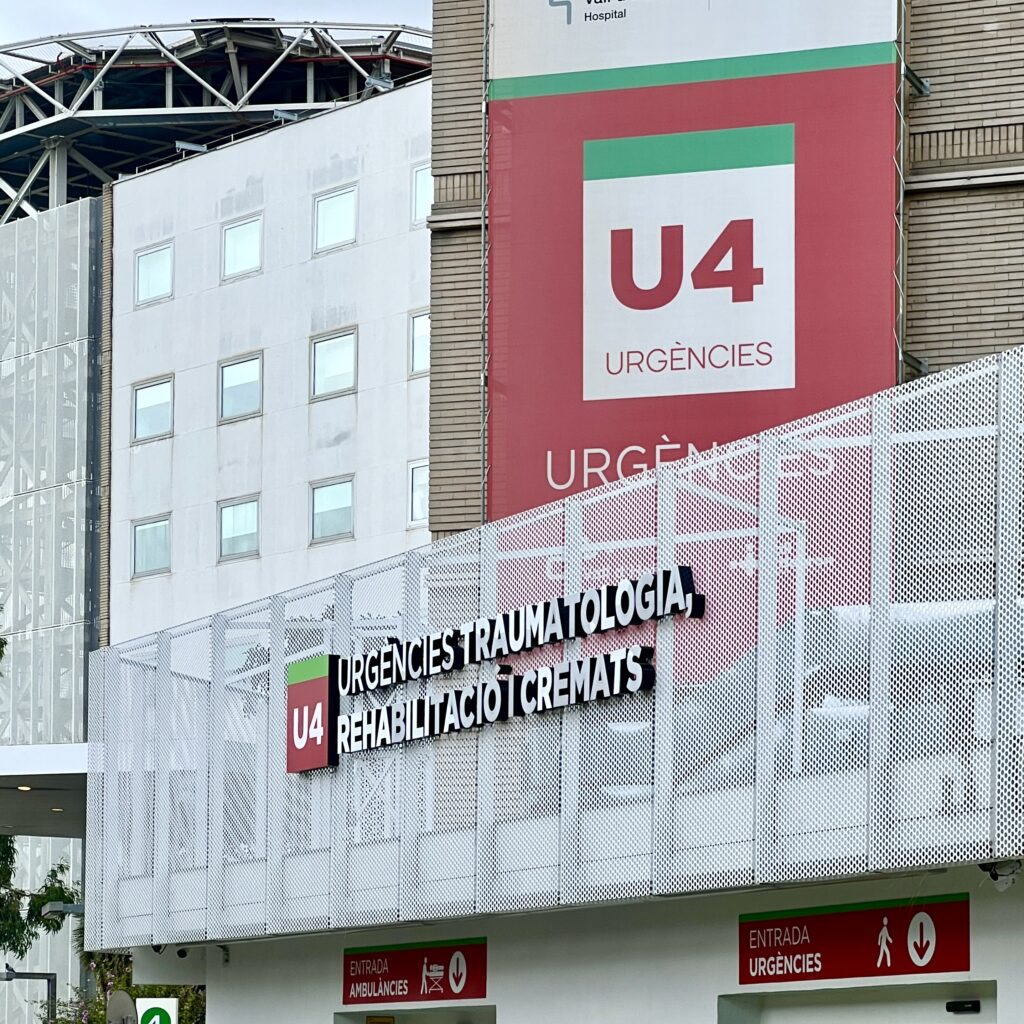
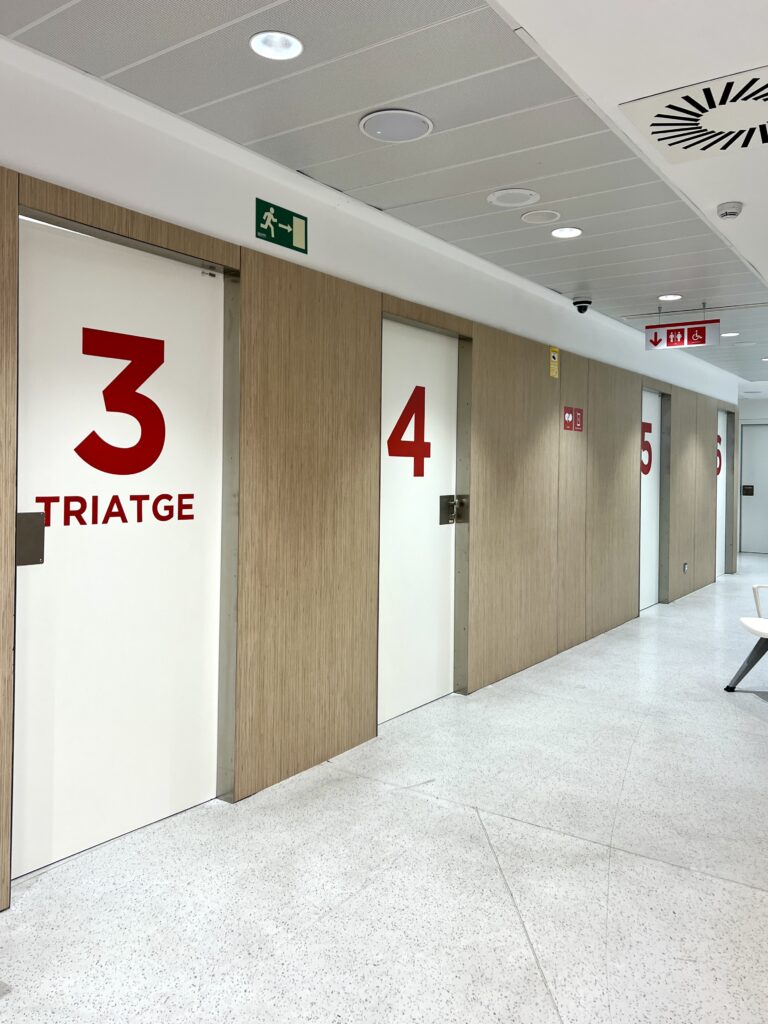
Examples of wayfinding in hospitals
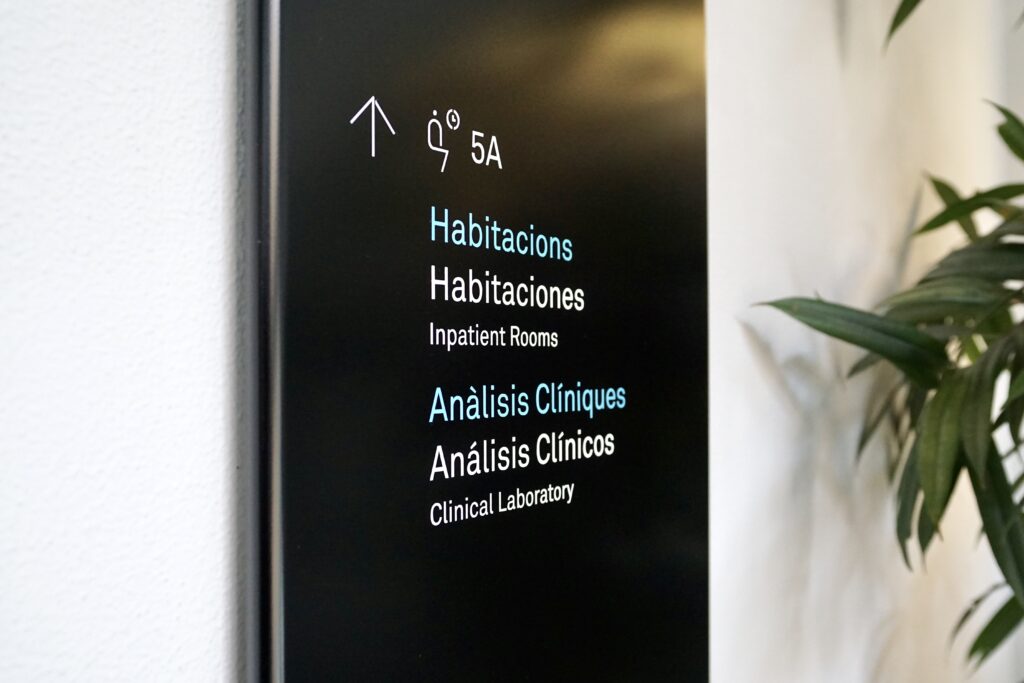
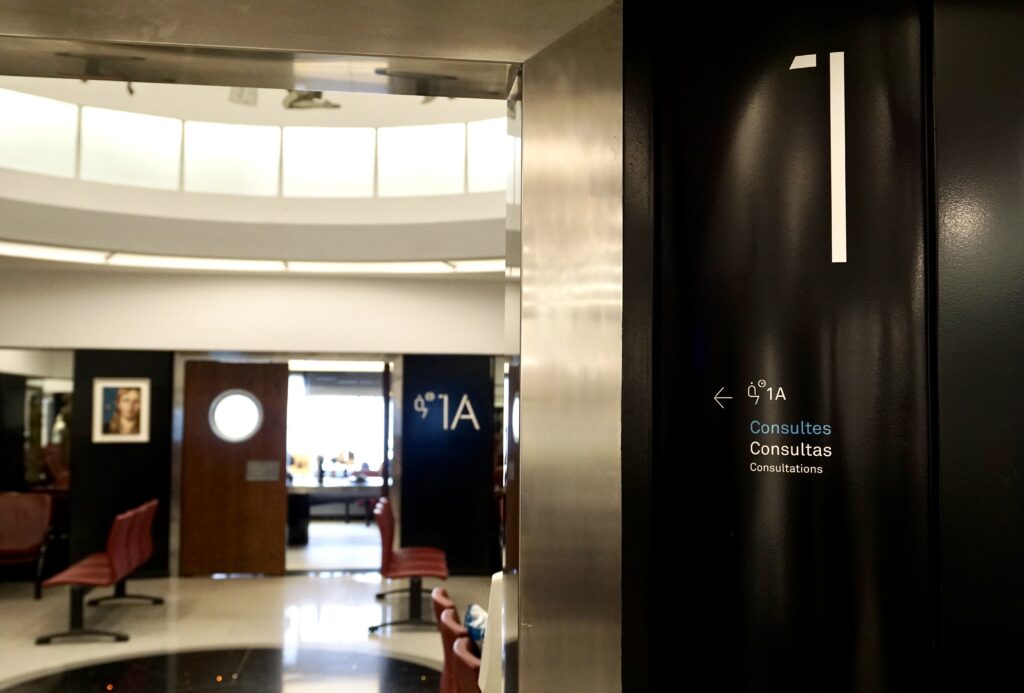
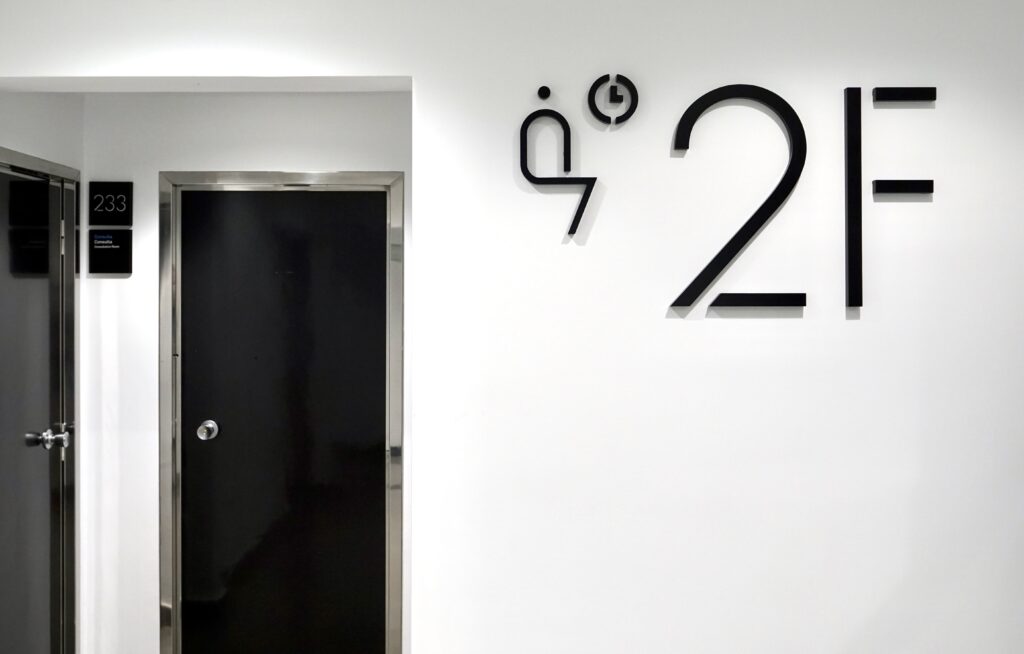
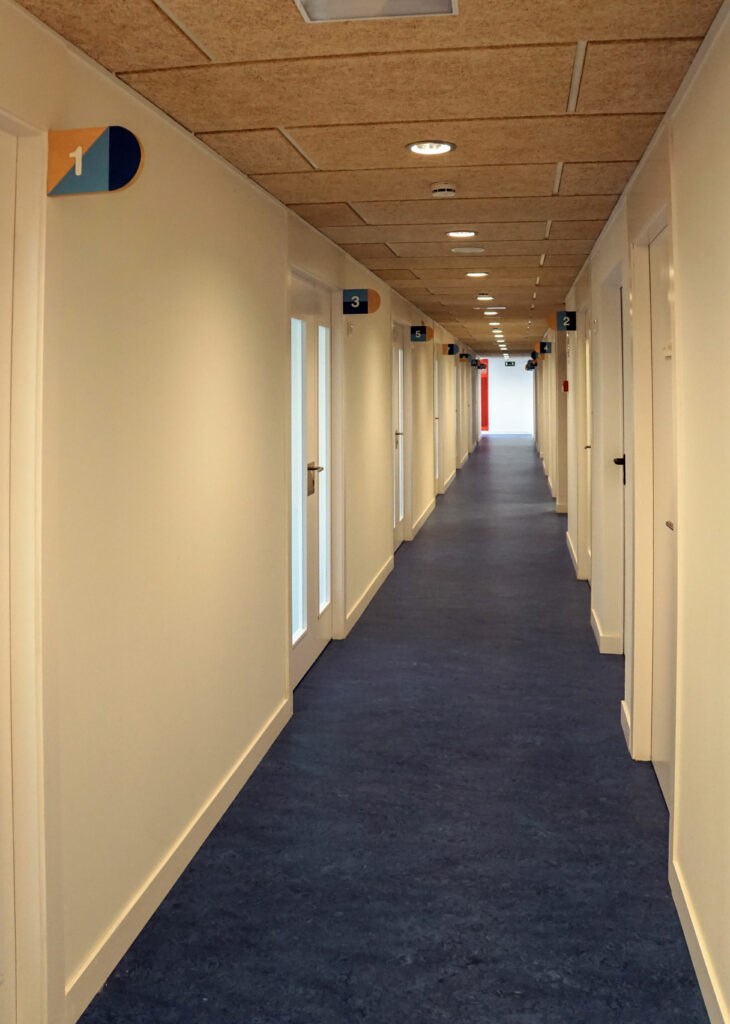
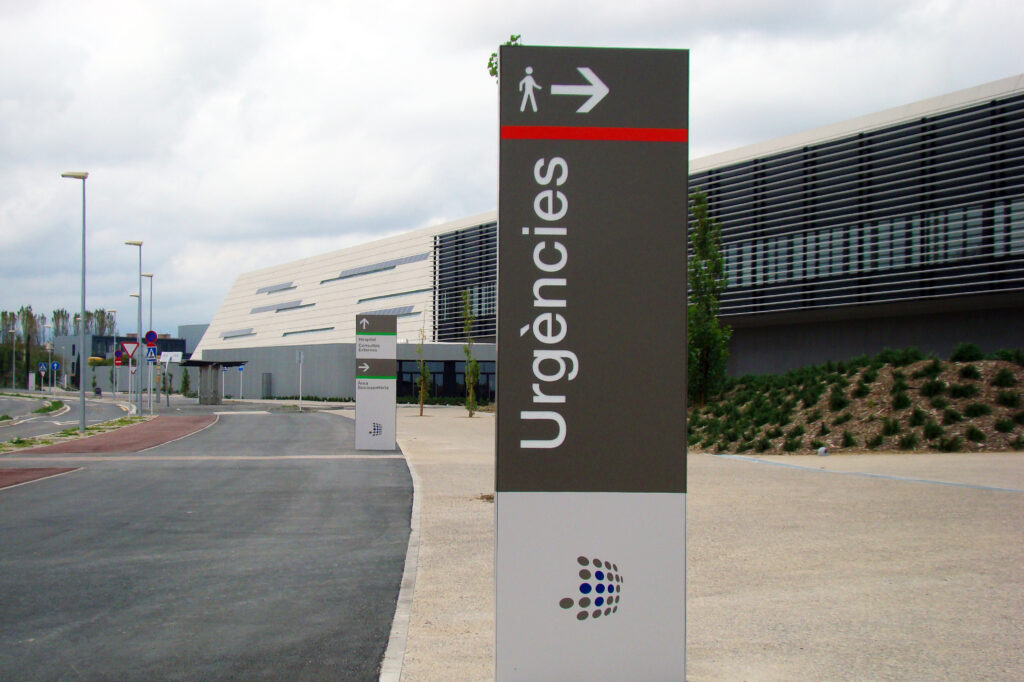
Wayfinding and patient length of stay in hospitals
Waiting time is one of the factors that directly affects the quality of patient care. If, in addition to the time spent in the waiting room, we add the time a person needs to find their destination within the hospital, the overall perception of the experience worsens considerably.
In terms of patient satisfaction, implementing an orientation system becomes a strategic tool capable of reducing the patient’s total length of stay in the hospital, especially during visits involving multiple routes or different medical tests.
Hospital wayfinding designed for older adults
Older adults represent one of the most common user profiles in hospitals and healthcare centres. However, they are also one of the most vulnerable groups and often experience greater difficulty navigating complex spaces.
Long routes, poorly legible typography or constant changes in direction can create disorientation, insecurity and dependence on third parties.
For this reason, a hospital wayfinding system focused on older adults must prioritise clarity, simplicity and cognitive accessibility. Legibility itself is essential. The use of large typography, appropriate contrasts and simple messages enables quick reading and reduces visual effort.
Wayfinding in hospitals helps older adults and other vulnerable groups find their destination without difficulty.
Key elements of a hospital wayfinding system
Exterior signage and access points
The orientation experience begins before entering the building. Main entrances, emergency departments, car parks and pedestrian access points must be clearly identified from the outside. In addition, it is important to consider that a single destination may have different access points, all of which should be coordinated.
Directories and orientation maps
Directories help users understand the overall structure of the hospital and allow them to plan their route before moving around.
Colour coding and zoning
Many hospitals use colours to identify floors, departments or medical specialties. This resource facilitates memorisation and speeds up orientation.
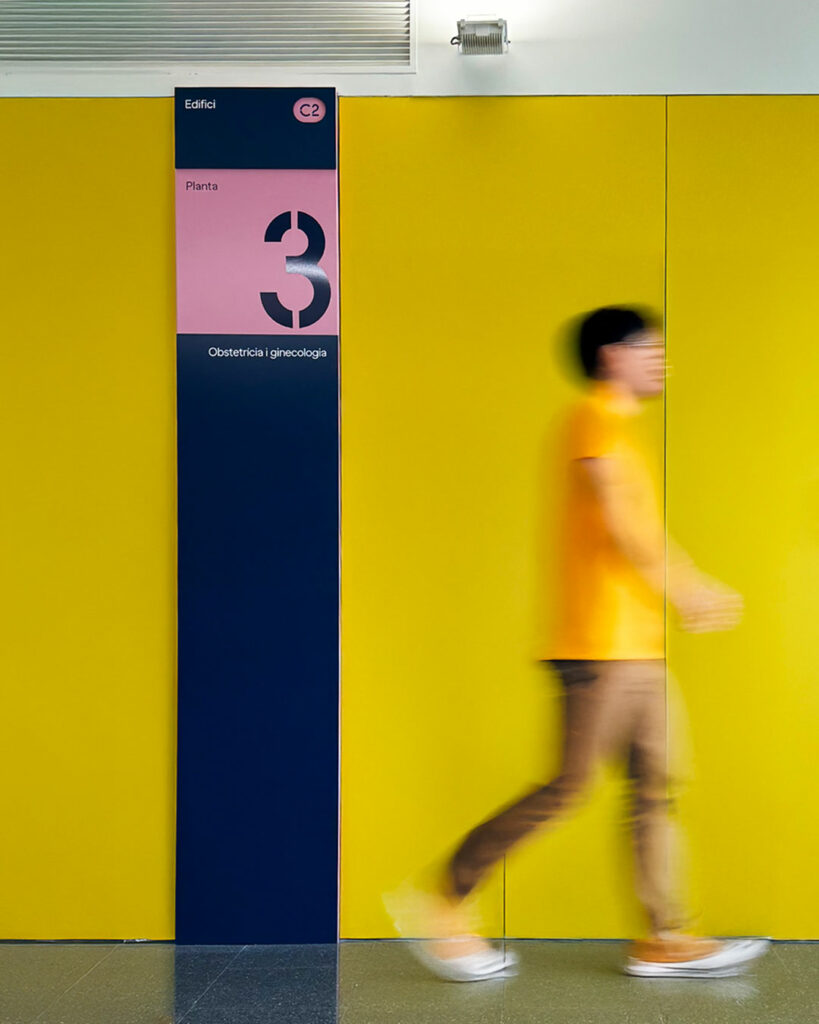
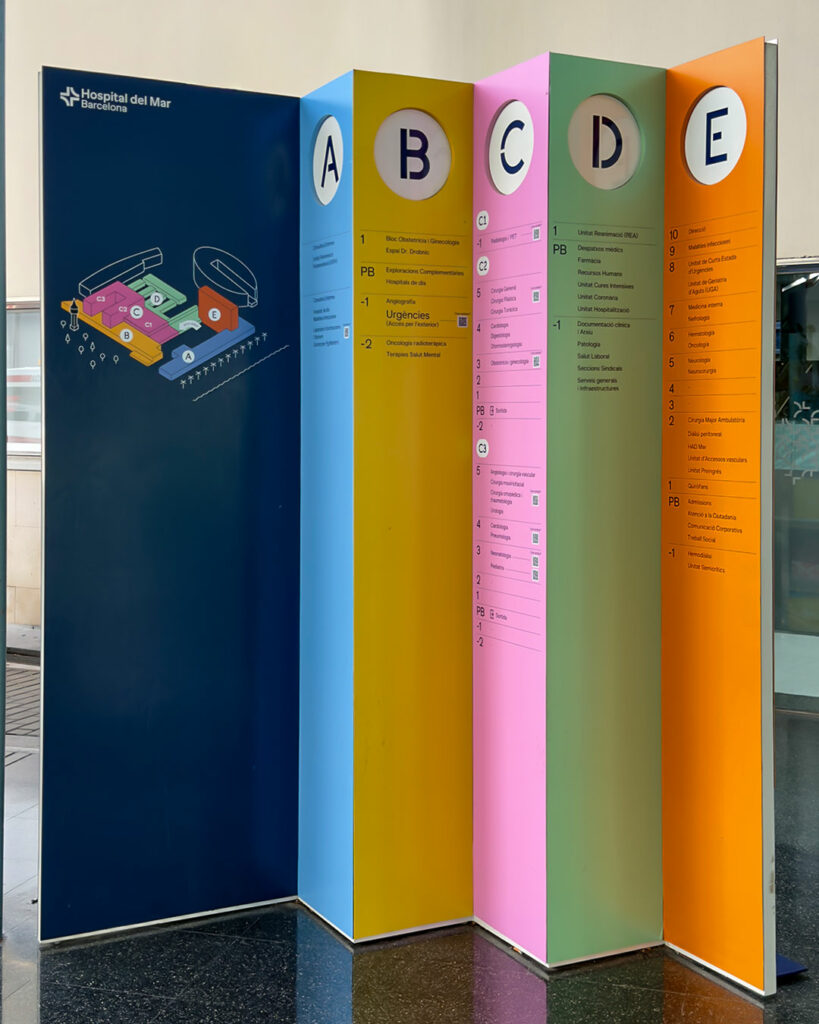
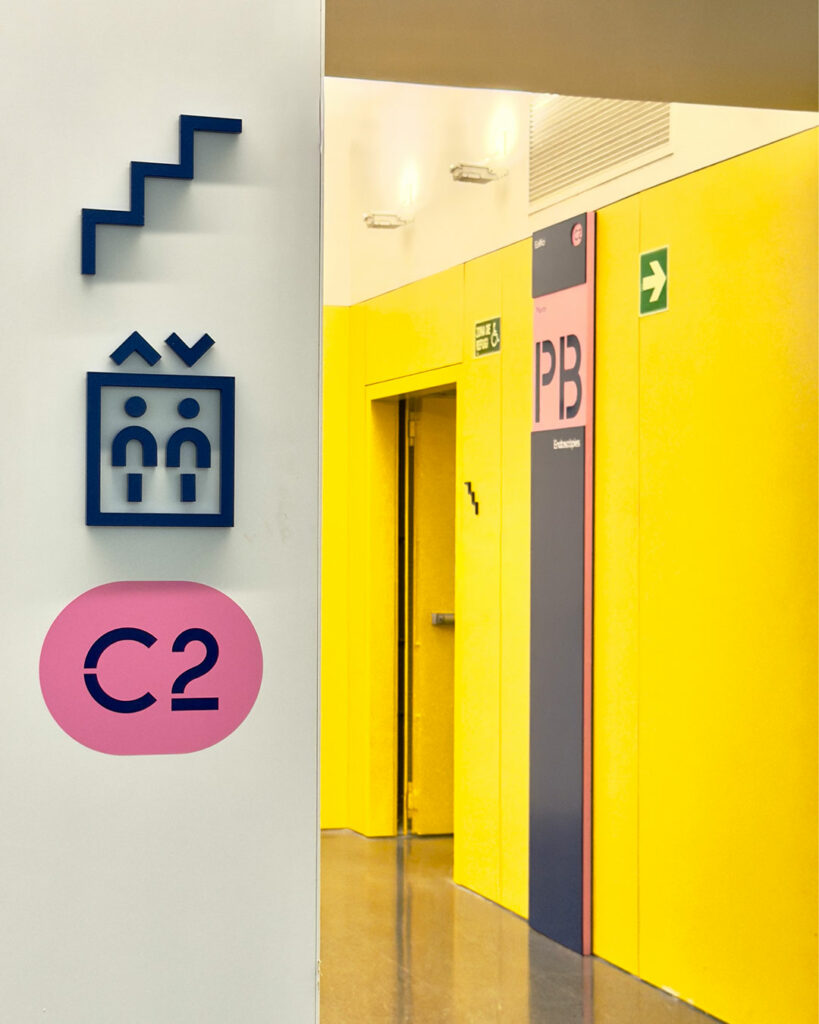
Signage for critical routes
Some routes require especially high clarity:
- emergency departments,
- ICUs,
- operating theatres,
- outpatient clinics,
- diagnostic imaging,
- or paediatric areas.
In these cases, signage must be immediate, visible and understandable within seconds.
Trends in hospital signage
The evolution of hospitals and their users is driving new wayfinding solutions that are increasingly technological and experience-oriented.
Among the main trends are:
- dynamic digital signage,
- mobile wayfinding
- assisted navigation,
- interactive systems,
sustainable materials,
and human-centred design. - sustainable materials,
- and human-centred design.
Frequently asked questions about Wayfinding
▶ What is hospital wayfinding?
Hospital wayfinding is an orientation system designed to help patients, visitors and professionals move intuitively within hospitals and healthcare centres. It combines signage, architecture, design and accessibility to improve the user experience.
▶ Why is signage important in hospitals?
Clear signage reduces stress and disorientation, improves the patient experience and optimises routes within the hospital. In addition, it helps minimise interruptions for healthcare staff and enhances the perception of organisation and quality within the facility.
▶ What elements should a hospital wayfinding system include?
An effective system should incorporate directional signage, directories, maps, colour coding, accessible pictograms, Braille reading, intuitive routes and coherent integration with the architecture of the space.
▶ How does wayfinding help older adults?
Wayfinding adapted for older adults facilitates orientation through legible typography, simple routes, identifying colours and clear signage. This reduces anxiety, improves autonomy and makes the hospital experience more accessible and comfortable.
Related posts we recommend:
🫶 Humanizing healthcare spaces.
➡️ Wayfinding: what it is, examples and how it improves the user experience