In hospitality and customer experience, the arrival experience shapes the user’s perception and level of satisfaction with everything that follows.
Explore how the Arrival Experience concept works and the importance of the parking area in exceeding the expectations of clients and other users.
Arrival Experience: the experience before the service
A perfect arrival translates into a memorable experience. This feeling occurs especially in hotels, where the first few minutes generate an immediate perception of:
• quality,
• exclusivity,
• organization,
• trust,
• and attention to detail, even before entering the room.
The guest has not yet tried the restaurant, used the services, or even completed check-in. However, they have already built a positive emotional perception of the brand.
And exactly the opposite happens when the arrival experience is problematic. In terms of satisfaction, a poor arrival can emotionally affect the entire experience that follows.
Parking: the first point of contact with the space
Within the Arrival Experience, there is a key concept: the Moment of Truth, meaning those touchpoints that have a disproportionate impact on brand perception. And one of the most important points in the user journey is the parking area, where users constantly ask themselves questions such as:
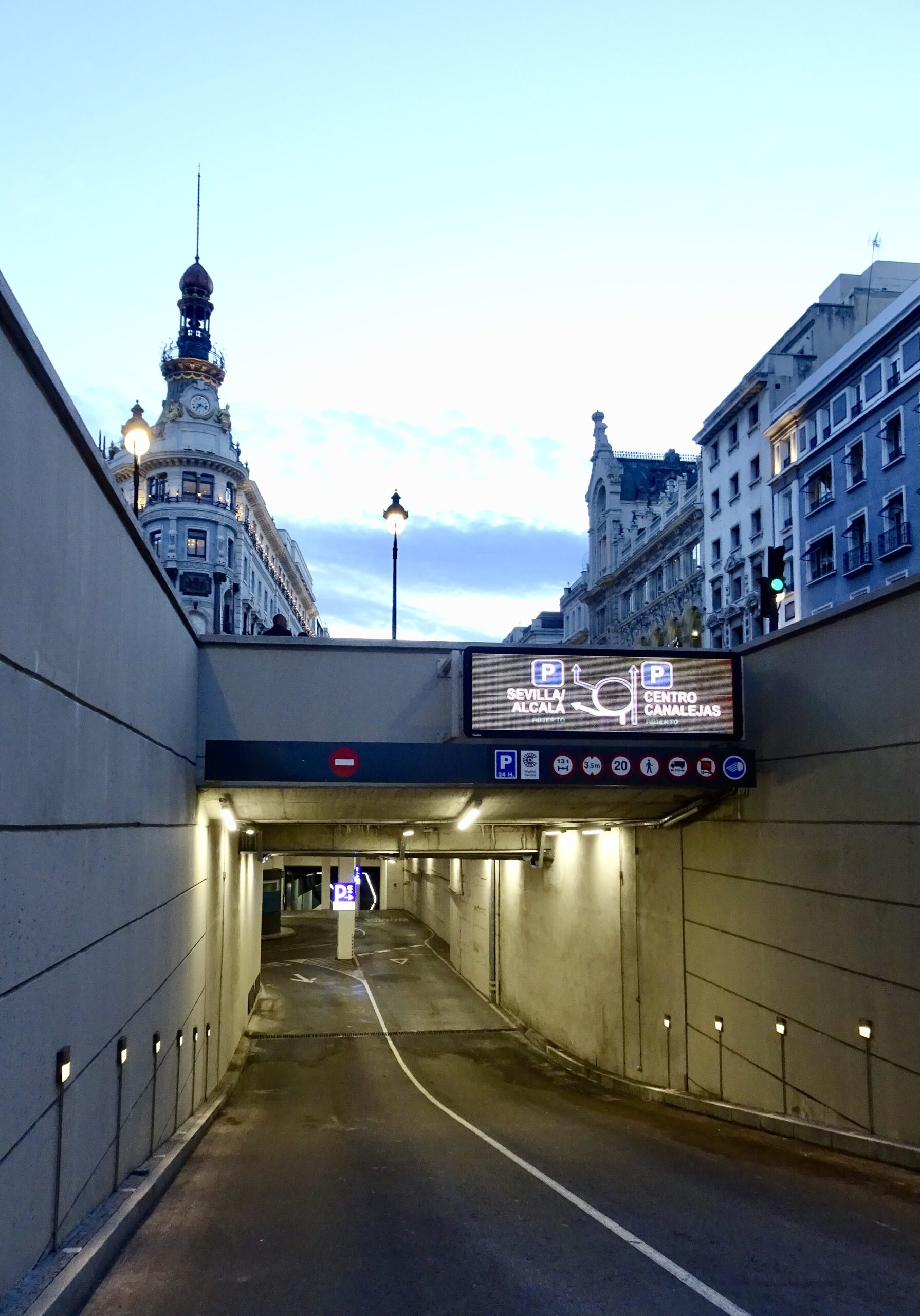
• Can I easily find the access point?
• Do I know where to go?
• Do I feel lost?
The answers to these questions directly influence the perception of the business.
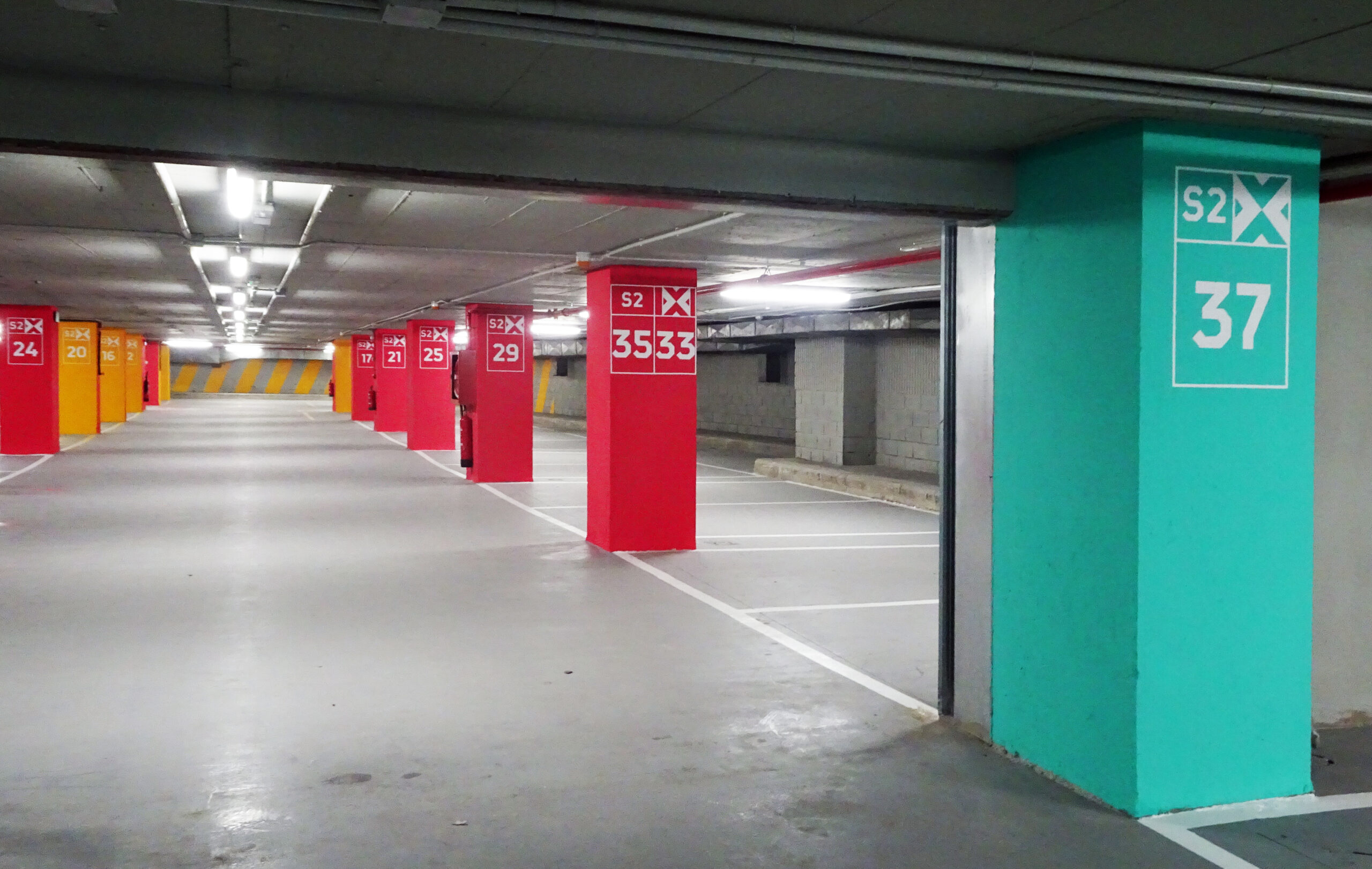
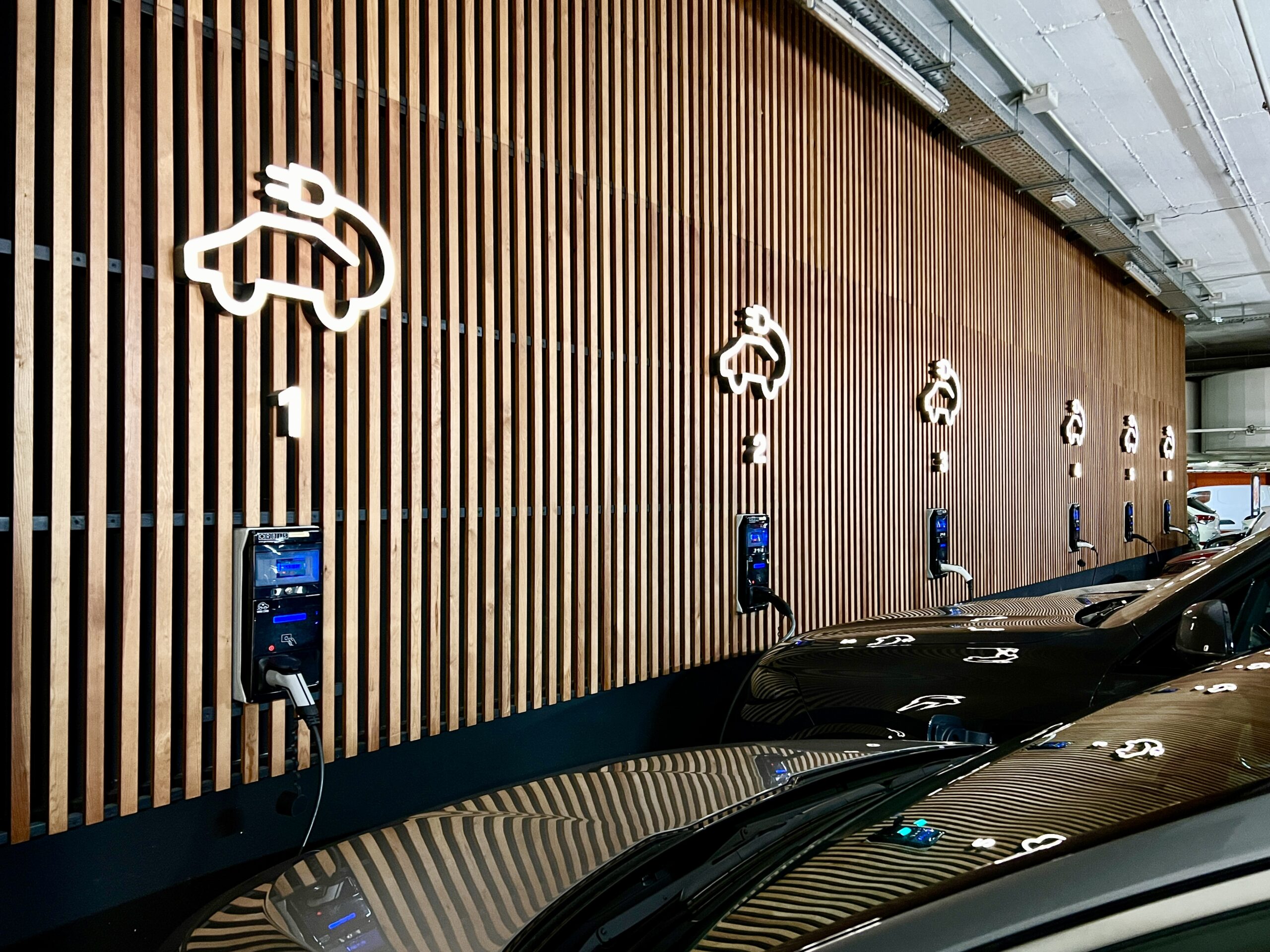
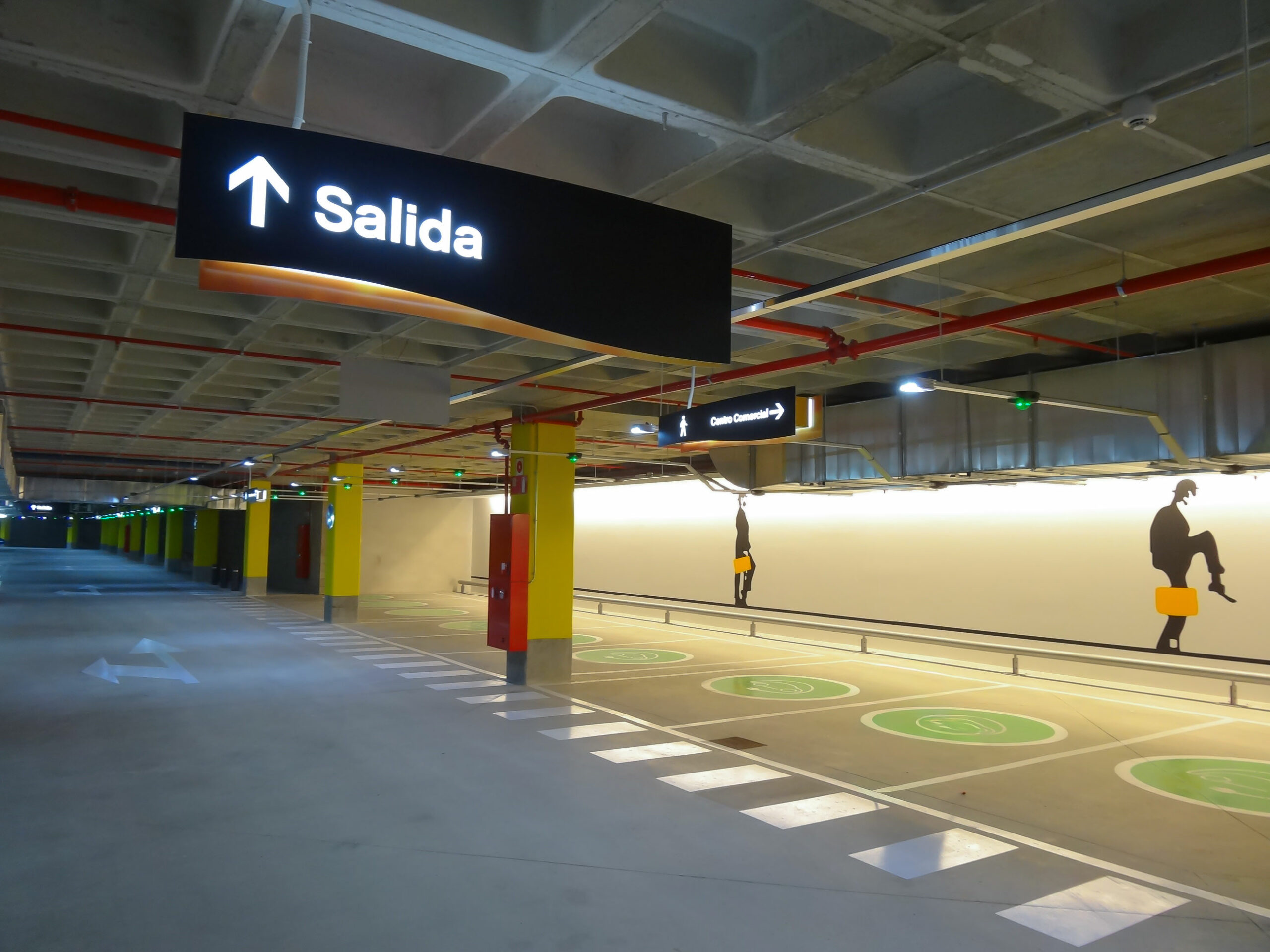
There is no doubt that a parking facility is a functional structure. But beyond that, it is also part of the brand’s visual narrative. Details, lighting, signage, aesthetics, and visual coherence with the identity of the place make the experience exceed expectations from the very first moment.


Signage and Wayfinding in the parking area of Hotel Sofia Barcelona 5, Signed by Signes.
The brain interprets spaces before analyzing them rationally
Neuroarchitecture and environmental psychology demonstrate that spatial design influences our emotions and well-being.
When we arrive in a complex environment for the first time, our brain activates and quickly searches for references to orient itself. It is an inherent human activity: we need to understand where we are and what we should do. If we have to think too much, cognitive load increases and feelings of discomfort and anxiety immediately appear.
Simple access, proper lighting, or elements that improve the legibility and understanding of the environment generate immediate positive sensations such as calm, security, trust, or exclusivity, among others.
Wayfinding in parking: making the space self-explanatory
Wayfinding is not just about placing signs. It is a global orientation system that helps people understand a space intuitively.
In a parking facility, a wayfinding system allows users to orient themselves effortlessly, improving the experience even without them noticing it.
- • reduces uncertainty,
- simplifica las decisiones,
- • improves circulation flows,
- • reduces stress,
- • conveys a sense of control,
- makes the space “self-explanatory”.
Wayfinding as part of the service
In complex environments, wayfinding is not a secondary or decorative element, but rather part of the service itself, especially in hospitals, airports, shopping centers, hotels, campuses, and large-scale parking facilities.
In a hospital, for example, orientation directly influences people’s emotional state. Users arrive feeling anxious, worried, or in a hurry.
In shopping centers, comfort is especially valued, and it increases with effective parking orientation.
Flow and ease of movement are highly valued by tourists and guests in general. That is why, in hotels and premium spaces, speed upon arrival reinforces the perception of exclusivity and attention to detail.
Frequently Asked Questions about Arrival Experience and Wayfinding in Parking Facilities
¿Qué es el Arrival Experience?
Arrival Experience is the arrival experience a user goes through before accessing the main service. It includes elements such as access, parking, orientation, circulation, and reception, shaping the overall perception of the space from the very first moment.
Why is orientation inside a parking facility important in the customer experience?
Parking is often the first physical point of contact with a brand or space. Intuitive circulation, clear orientation, and a well-designed environment help reduce stress and improve the perception of quality, organization, and attention to detail.
What is wayfinding in a parking facility?
Wayfinding is an orientation system that helps people understand and navigate a space intuitively. In a parking facility, it includes signage, routes, visual codes, colors, and graphic elements that improve the user experience.
What advantages does a wayfinding system provide in parking facilities?
A good wayfinding system helps reduce uncertainty, improves circulation flows, reduces stress, prevents incidents, and makes it easier for users to quickly find access points, exits, or specific parking areas.
In which types of spaces is wayfinding most important?
Wayfinding is especially important in complex spaces or environments with high visitor traffic, such as hospitals, airports, shopping centers, hotels, campuses, or large-scale parking facilities, where clear orientation improves both the user experience and operational efficiency.